

Your cart is currently empty!
Dancers Paintings: Timeless Art Inspired by Dance and Movement
By

.
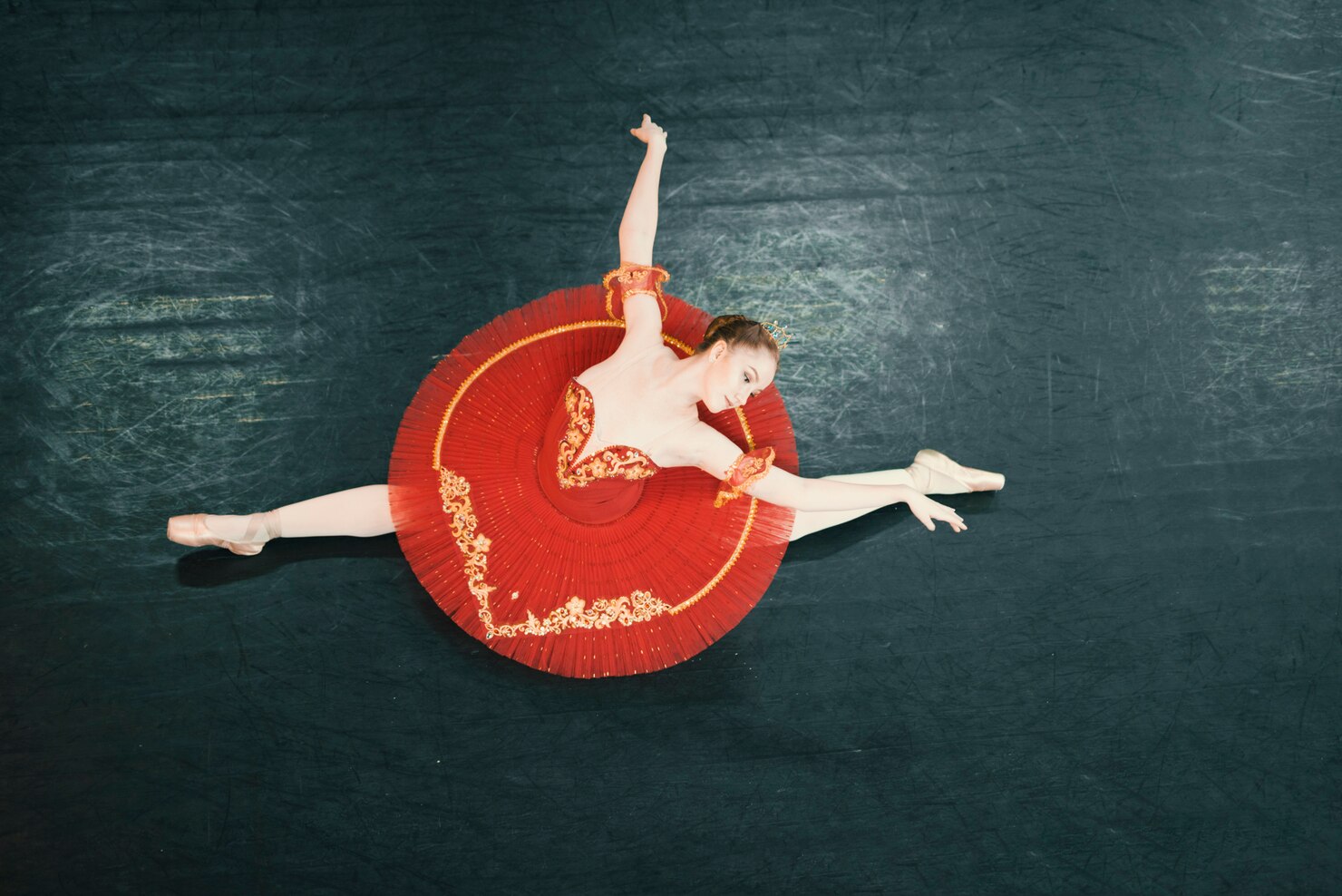
Artists have always been inspired by movement but in addition to movement, dance demonstrates tension, control, release and intimacy all at once. Each gesture communicates these feelings. Fabian Perez’s dancers paintings are less about celebration and more about expressing emotions through the physicality of their bodies, the music they listen to and the intense quietness that accompanies their movements.
Rather than capturing the act of dancing, these pieces convey an understanding of the dancer’s emotional state while performing.
Why Dance Fits the Language of Nightlife Paintings
The darkness of night is naturally suited for dance. Movement becomes more than just motion when combined with low-light visuals, soft edges, and rhythmic sounds. It’s about creating an emotional connection between dancers and the audience. Nightlife paintings focus less upon the accuracy or precision of the dancers’ movements and focus instead upon the overall atmosphere created by all the elements combined.
In the case of dancers paintings, the body serves as a medium for conveying emotion instead of merely displaying physical beauty. Often the face is not important, it’s the dancer’s posture and the darkness that carry the weight of their emotions.
As a viewer of a painting depicting dancers, you are not seeing from an audience perspective. You are experiencing it from within the scene itself.
Movement Without Excess
What differentiates the artworks of good dancers paintings from those of more decorative dance artists is their ability to exercise restraint. A strong dancer’s artistic pieces do not define every single step, nor do they explain each limb’s placement.
With this level of restraint, the viewer is able to experience rhythm through the absence of choreography. Therefore, when a dancer tilts their shoulder or shifts their balance while in a dance, they are communicating much more than through exaggerated glyph-like forms (as seen in many decorative dance art pieces).
The use of this restraint, or minimalism, is an ongoing strength of the visual vocabulary utilized by Fabian Perez, where emotional content has greater significance than the visual chaos surrounding it.
The Role of Shadow and Stillness
The relationship between stillness and dance creates an artistic paradox. Typically, the moment of greatest energy in the dancer happens in between movements; that is to say, during that very instant of stillness when breath replaces the momentum from the last movement.
The pause in motion is what is emphasized in all of the nightlife paintings and art. Therefore, the darkness does not simply mask and obscure the detail of the performers and their performances, but rather creates a heightened sense of awareness as to what has happened immediately before or what will happen next.
The stored energy created during the pause creates an artistic experience of dance that has long-lasting impacts.
Dance as Emotional Narrative
No language is necessary when the medium of dance is being used to tell stories. For artists who create visual images of these dances, they are stripping away all of the non-essential elements from the story.
Another commonality between many dance based painters is the exploration of isolation, desire and power or control. When a painter includes multiple figures in one painting, the emotional content is almost always about the individual dancers paintings experience (although there may also be a small amount of connection to the audience).
The basic premise behind this interpretation is that paintings of nightlife or dance are about connecting individuals to their emotions. Not creating a crowd to watch them perform together through dance.
Art That Engages Space and Mood
Due to the nature of Dancer’s paintings, they work well in spaces that are focused on the atmosphere rather than the formality of the space itself. Such as those that have low lighting, large open spaces, and/or reflective surfaces.
When Dancer’s paintings are applied in a specific manner, the paintings will alter the feeling of the room. These paintings create soundless rhythms and moveless movements. This quality of being experienced is the primary focus of Fabian Perez’s Artistic Direction. Fabian Perez wants his paintings to create an experience for the viewer rather than just a viewing experience.
Conclusion
While dance terminates the moment the performance ends; painting retains and preserves the emotional tension, memory, and remnants of such. The dancers paintings and nightlife paintings sit in the transitional space between stillness and motion.
These pieces of Art provide longevity by focusing on the atmosphere rather than on the choreography of the performance. These artworks do not attempt to depict what is currently trendy or to capture scenes. These works illustrate what is left at night when the intensity of human engagement has been dissolved and is captured and experienced long after the motion has ceased. This emotional honesty defines the visual environment of Fabian Perez.